
Kilimanjaro ranks as the easiest of the Seven Summits, but don’t let that fool you. This climb demands serious preparation, and your gear can make or break your summit success.
Most online packing lists tell you what to bring without explaining why. This guide changes that. We’ll walk you through every essential item, from base layers to sleeping bags, so you understand exactly what belongs in your pack and what you can leave behind.

Here are some tips for how to pack for climbing Kilimanjaro:
Those who don’t want to bring the whole bulk of their climbing equipment to Tanzania can always hire it on the spot from our rental shop. And it’s more pocket-friendly to hire from us than to buy new.
For first-time climbers or anyone who doesn’t have their own climbing gear, renting is a much more affordable choice than investing in top-quality gear you may only use one time. We are the only company in the region to provide our clients with gear from such brands as The North Face, Marmot and Red Fox straight from our own store, the biggest in the Kilimanjaro region. All equipment is clean and in perfect condition as we renew our stock twice a year.
You don’t need top-of-the-line gear, but avoid the cheapest options. Your safety and comfort hang in the balance. Today’s market offers plenty of quality mid-range alternatives that perform well without breaking the bank.
On Kilimanjaro you will be trekking through four different climate zones:
Rainforest zone: Hot and humid
Moorland: Cool and variable
Alpine meadows: Cold and windswept
Arctic desert: Freezing, snowy, and harsh
Daytime temperatures feel pleasant, but nights plunge below freezing. Your clothing system needs to handle this extreme range.
You will need to have three types of jackets for this trip:
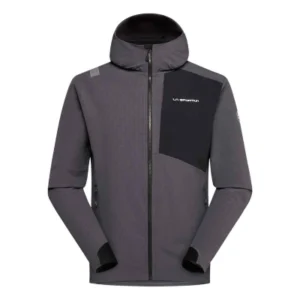
Fleece jackets can be worn as a separate piece of clothing or over a trekking shirt.
They are great to have at night when you are in the camp. A fleece jacket is a must have – you will be using it on most of your Kilimanjaro days.
Polartec-200 fabric is recommended over all others for Kilimanjaro expeditions. The best brands of fleece jackets are: The North Face, Red Fox, Mountain Hardwear, and Patagonia. Hooded fleece jackets are better, as they provide extra warmth and comfort. We recommend taking 2-3 pieces for your trip.
The best brands of fleece jackets for expeditions to Kilimanjaro are The North Face, Red Fox, Mountain Hardwear and Patagonia.
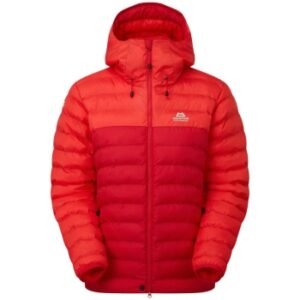
A warm jacket is used in camps to keep you warm during chilly evenings and for the summiting part of your trip. It is an absolutely necessary element of your kit.
A warm jacket should not be too heavy or too light and it should be comfortable to wear at -15°C / (5°F).
Make sure that your warm jacket is a hooded one.
Another important thing to bear in mind is the waterproof capacity of a down jacket. Rain and snow are not unusual on Mount Kilimanjaro, therefore, we recommend choosing warm jackets with a water-resistant outer material to protect you against minor precipitation. If heavy rain or snow starts, you’ll need a special rain jacket to provide extra cover.
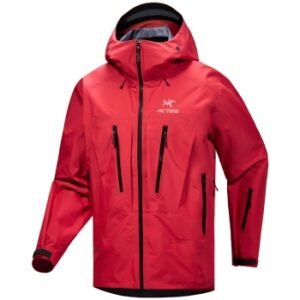
Hard shell rain jacket will likely be necessary from the first day of your trip (especially on Lemosho 7-day program, where you’ll be starting from 3,500 m/11,500 f), and should always be packed into your backpack for easy access.
This jacket is meant to protect you against wind and drizzly rain before you reach the summit camp. On most of the Kilimanjaro days it would be your third layer, after thermal underwear and a fleece jacket.
You will need several types of trousers for this Expedition.
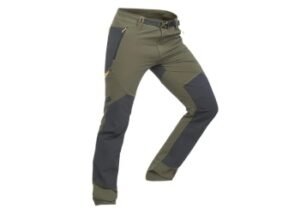
Trekking pants of good quality are usually enough for a Kilimanjaro expedition. If you prefer hiking in shorts, taking a pair of trousers is nevertheless needed for the higher elevation parts of Kilimanjaro and chilly evenings in the camps.
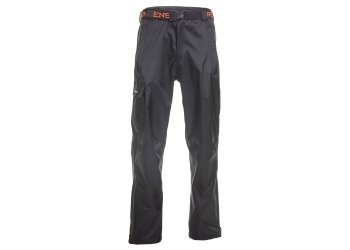 Membrane pants are needed for your Kilimanjaro adventure, and they are especially useful during the rainy season. When worn together with the trekking pants, they provide excellent protection against winds and rains, making your overall experience better
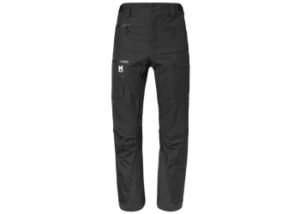 Warm trousers or ski pants are another must-have item on your packing list. They are needed for the summiting part of your hike, when the weather is particularly cold. These trousers should be water resistant, lined with fleece on the inside for warmth and covered with good hard shell insulation for protection against wind and rain. Ideally, you should be able to feel comfortable wearing these pants in temperatures under -15 CO/5°F. If you are not quite used to cold temperatures, you will also be especially happy to wear warm pants in the higher camps of Kilimanjaro.
You will need 5-6 pairs of underwear for your Kilimanjaro adventure. In addition to that, having 2-3 pairs of thermal underwear (base layer) is necessary for this trek – you’ll be wearing the first pair on your usual days, and the second one on the summit night. Also, sleeping in thermal underwear is more comfortable than without it.
The first set can be made of light synthetic fabric so that it dries faster. The one used for the summiting should contain warmer, more natural components, e.g. wool.
Any branded thermal underwear will be perfectly suitable for your Kilimanjaro adventure.
As far as shirts for Kilimanjaro expeditions are concerned, having 3-4 short-sleeved and 2 two long-sleeved shirts is necessary. Avoid cotton, as it is bad for wicking. Fabric should be light and ‘breathable’. Shirts made of the mixture of polyester and spandex or nylon are excellent.
High-quality bags are necessary for your Kilimanjaro trip. In short, you will need two types of bags: a daypack that you’ll be carrying yourself and a duffle bag that will be taken care of by a porter.
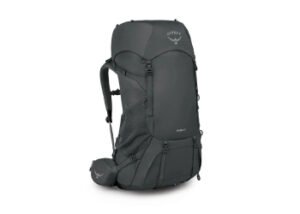 Your daypack will carry your daily essentials, such as: sunglasses, sunscreen, rain poncho, flashlight, flask with water and snacks. It is also the right place to put your gadgets, for example: your camera and smartphone.
Your daypack should be as light as possible. Leave heavier alternatives for other treks. Moreover, make sure that your daypack fits your back comfortably. We recommend testing it on a smaller hike before Kilimanjaro to make sure it is suitable and comfortable for this adventure.
While choosing a backpack please pay attention to the following:
A good backpack should also have a shoulder hip belt which is helpful for reducing weight pressure.
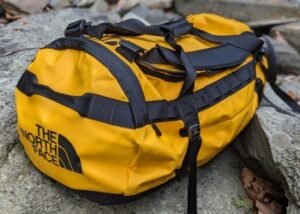 Typically, porters carry duffle bags on their heads, making it necessary to choose soft models for their comfort. The total distance covered by a porter with your duffle on his head will be around 40-60 km. Some Kilimanjaro trekking routes, such as the Northern Circuit, are longer than the others, so the load on porters increases proportionately.
Your fully loaded duffle bag should weigh up to 15 kg according to Kilimanjaro National Park regulations.
Along with a duffle bag we recommend taking several large dry bags and packing your gear inside separately. This approach will provide extra protection and will keep all your gear dry in case of heavy rains (sometimes the water can leak through the zippers straight inside to your duffle bag). You may hire a suitable, water-resistant duffle bag from Hiking Kilimanjaro before the start of your expedition.
Along with a duffle bag we recommend taking several large dry bags and packing your gear inside separately. This approach will provide extra protection and will keep all your gear dry in case of heavy rains.
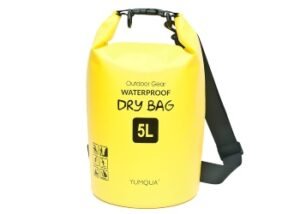 Since rains are not rare on Kilimanjaro, taking a dry bag is a good idea. Putting it inside your duffle bag or backpack can help you keep all your Kilimanjaro gear dry and fit for use. If you decide to take one, make sure that it is large enough to fit a sleeping bag and all other gear.
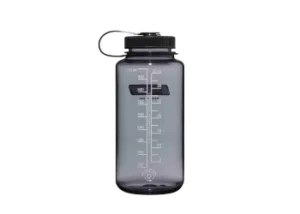
A water flask is an absolute must. Unlike some poor-quality hydration bladders, it will not freeze at night. You are required to drink at least 3-4 liters of water every day, so a flask is one of the key items for this trip.
You should have 1-2 water flasks (one liter each) for your Kilimanjaro trip.