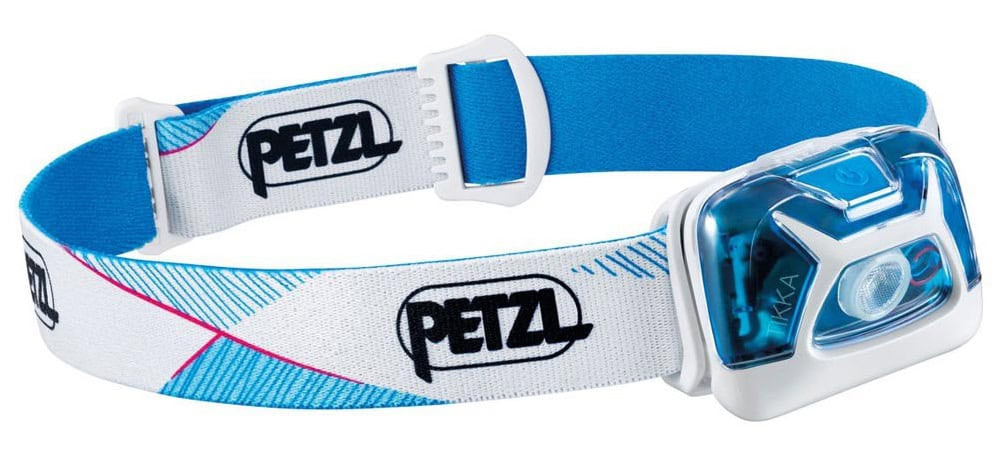
A headlamp, sometimes called a head torch, is required for a Kilimanjaro climb. It provides hands-free LED lighting inside your tent in the evenings, for nighttime bathroom trips, and for illuminating the trail during the midnight summit ascent. A reliable headlamp is especially important on summit night, when clear visibility and free hands are essential for safety and balance.

Headlamp Properties
Here are the things you should know about headlamps:
- Brightness: The brightness of a light is measured in lumens. Headlamps come in different levels of brightness from low (25 lumens) to extremely high (1000 lumens). Note that most lamps will have a few different settings for low, medium and high light.
- Run time: The run time, also known as burn time, is how long the headlamp will emit light. The brighter a light’s output, the shorter its battery life, in general. Most lamps will gradually get dimmer as the battery runs low.
- Beam Pattern: The beam pattern describes how the light is spread. A spot beam focuses light forward to clearly illuminate the trail, while a flood light spreads light over a wider area for close-range use around camp. Some headlamps offer both options, allowing you to switch depending on the situation. For Kilimanjaro, a spot beam is essential for night hiking, especially on summit night.
- Red-light mode: The red-light option preserves your night vision while still providing light. It also stops you from blinding others. Red-light mode is great for use inside your tent.
On Kilimanjaro, you do not need a fancy headlamp. When considering What Headlamp Do I Need for Kilimanjaro, look for a simple, lightweight model. It should have at least 80 lumens and a runtime of 50 hours or more. A strong spot beam is important to clearly light the trail ahead, especially on summit night. A red-light mode is also a useful feature, as it preserves night vision and is less disturbing to other climbers.

Kilimanjaro Headlamp Recommendation
The Petzl Tikka shown above retails for $35. It has three levels of output including a max light output of 350 lumens at a distance of 70 meters and a low output of 7 lumens at a distance of 10 meters. The run time when set at low is 100 hours. It has a red light option and uses three AAA batteries.
Bring an extra set of batteries.
Absolutely do not rely on your cell phone for light on Kilimanjaro. Phones are underpowered, must be hand-held, and drain batteries quickly in cold conditions. When asking *What Headlamp Do I Need for Kilimanjaro*, the answer is clear: choose a simple, lightweight headlamp with at least 80 lumens and long battery life. A hands-free, reliable headlamp is essential for night toilet trips and especially for summit night.